Baxi E10 Fault Code: Causes and Step-by-Step Fixes
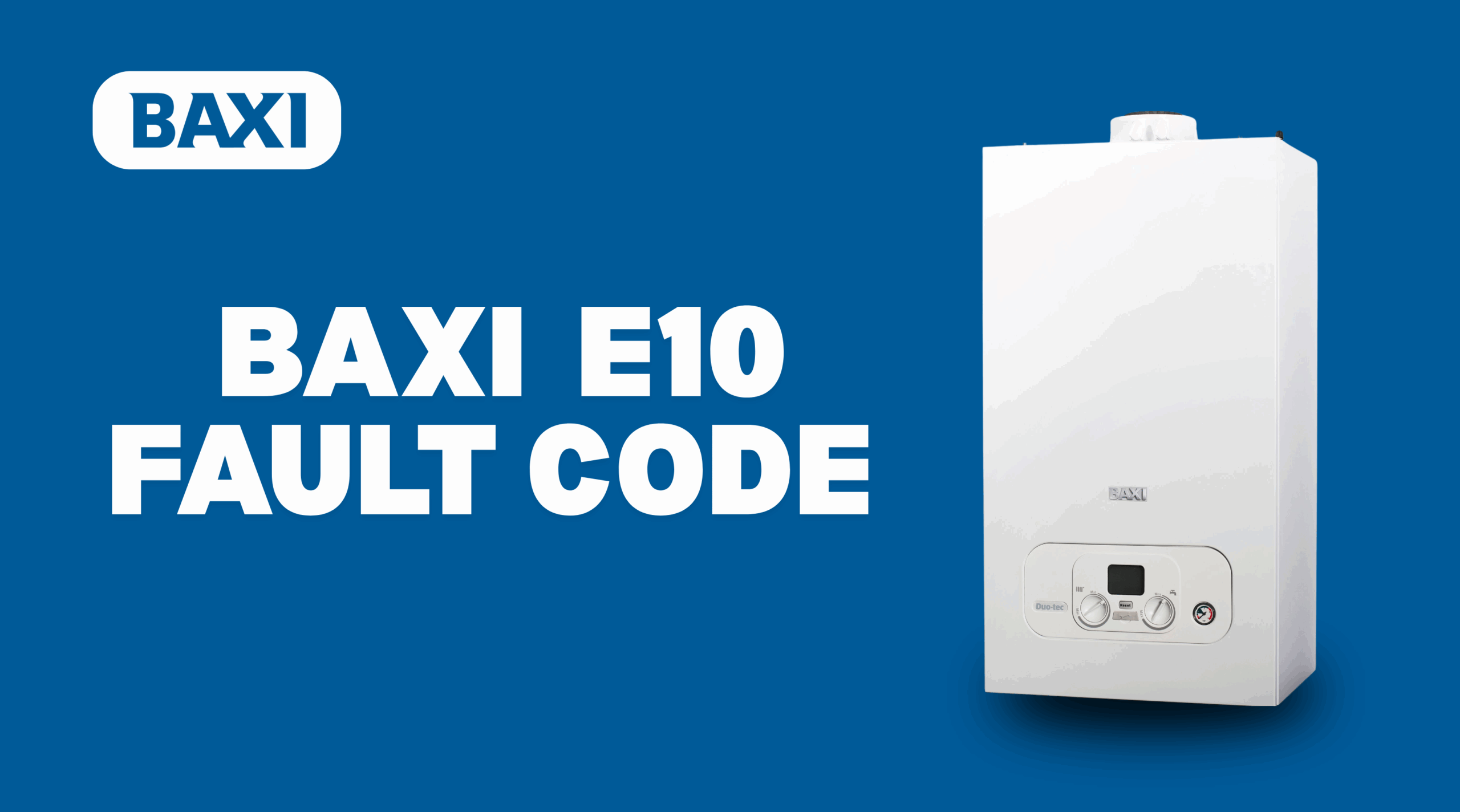
If your Baxi boiler is showing the E10 fault code, don’t panic it usually points to an outdoor sensor fault. This sensor helps your boiler regulate its performance by measuring the outside temperature. When the sensor fails or disconnects, the boiler cannot adjust properly, and the Baxi E10 fault code appears.
In this guide, we’ll explain the main causes of the error and walk you through step-by-step troubleshooting to get your heating system back on track.
Table of contents
What Does the Baxi E10 Fault Code Mean?
The E10 fault code on a Baxi boiler indicates a problem with the outdoor temperature sensor. This could mean:
- The sensor is damaged or faulty.
- The wiring between the sensor and boiler is loose or broken.
- The sensor readings are outside the expected temperature range.
Because the sensor is important for efficient boiler operation, resolving this issue quickly is key to restoring reliable heating.
Common Causes of the Baxi E10 Fault Code
- Faulty Outdoor Sensor
The sensor may have failed completely, giving inaccurate or no readings. - Loose or Damaged Connections
Worn or broken wires between the boiler and the sensor can trigger the error. - Incorrect Resistance Reading
The sensor might not match the expected resistance values when checked in the boiler’s IP menu.
Step-by-Step Fix for the Baxi E10 Fault Code
Time needed: 5 minutes
Follow the below given steps to fix the baxi boiler e10 fault code
- Inspect the Outdoor Sensor
Locate the outdoor sensor (usually fitted on an external wall). Check for visible damage, water ingress, or signs of wear.
- Check the Wiring
Trace the wiring back to the boiler. Ensure all connections are tight, secure, and not corroded or broken.
- Verify Sensor Readings
Access the boiler’s IP menu (refer to your boiler’s manual). The outdoor sensor reading should reflect the actual outside temperature. If the reading is way off, the sensor may be faulty.
- Reset the Boiler
After checking connections or replacing the sensor, reset the boiler. If the error clears, the issue is resolved.
- Call a Professional if Needed
If the fault persists after your checks, it may require a new sensor or deeper diagnostics. At this stage, it’s best to contact a Gas Safe registered heating engineer.
Conclusion
The Baxi boiler E10 error code usually indicates an outdoor temperature sensor fault, which can affect how efficiently your heating system responds to weather conditions. By carrying out simple checks such as inspecting the sensor, verifying its readings in the IP menu, and ensuring wiring is intact you may be able to resolve the issue without major intervention. However, if the fault persists, it’s always best to seek help from a qualified heating engineer to ensure your boiler continues to run safely and efficiently. Regular maintenance and prompt attention to error codes will keep your system reliable and extend its lifespan.
Frequently Asked Questions
The Alpha boiler e10 error code is telling you that your system has a low boiler pressure reading. So that’s likely to mean that it has dropped to under 0.6bar, and as a result, your boiler is unable to operate. Adding water to the system to increase the pressure will bring it up to the required level.
E10 – This code refers to the “Outdoor sensor fault”. E20 – This Baxi error code means there’s a “Central heating thermistor sensor error” in your boiler model. E28 – This code is triggered by the “Flue thermistor error”. E110 – This code refers to the boiler overheat error.
The E156 error code on a Potterton boiler typically points to a low voltage issue within the system. This problem can arise due to several factors, including faults in the electrical supply, issues with wiring harness connections, or problems with the home’s electrical system.