What Are Macerator Pumps? How They Work and Types Explained
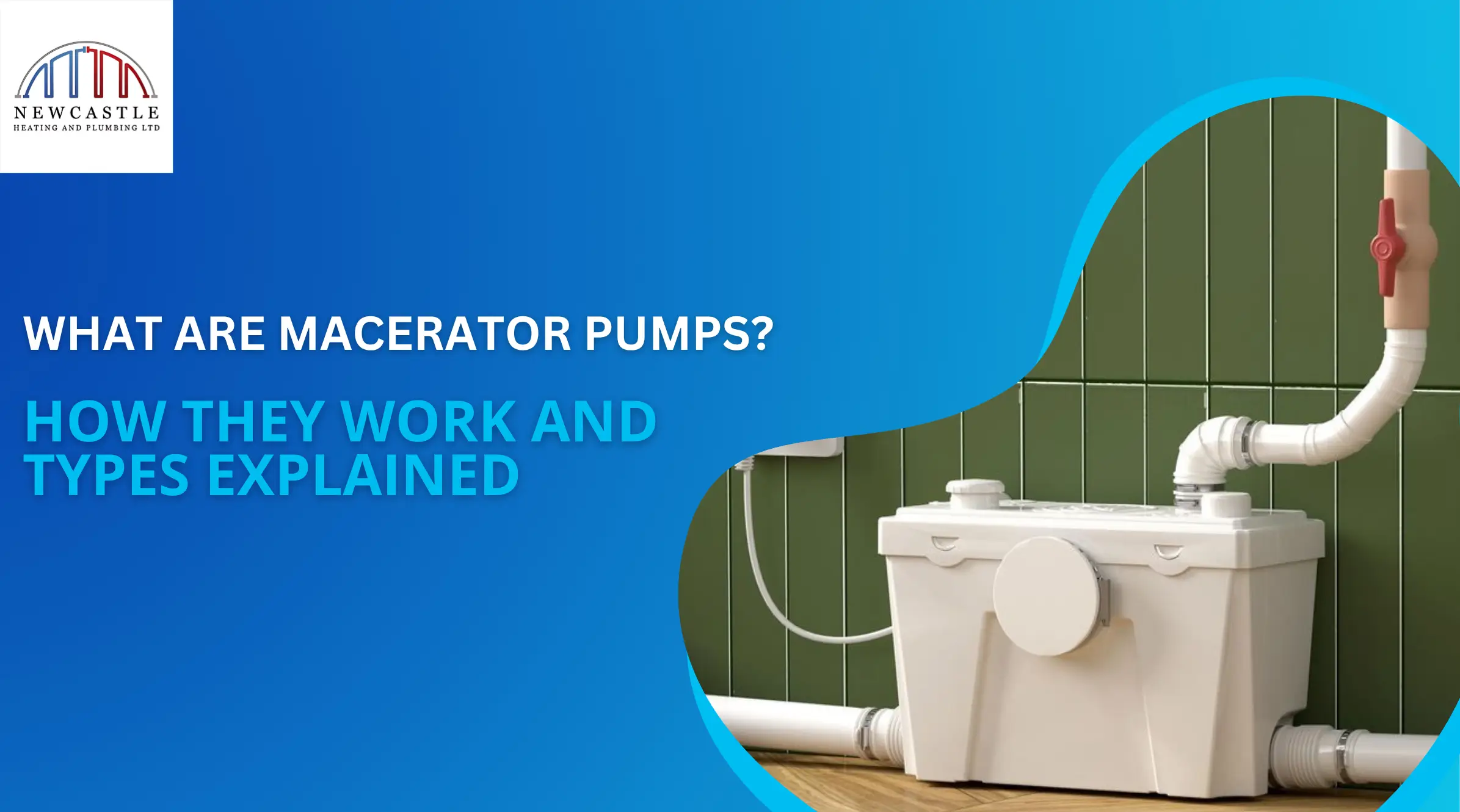
A macerator pump is a specialised plumbing device connected to a toilet, sink, or shower that grinds solid waste into a fine slurry and pumps it through small pipes to the main drain. This makes it possible to install bathrooms in areas where standard gravity drainage is not practical, such as basements or rooms far from the main soil pipe.
Although macerator systems are not as common as traditional plumbing in the UK, they offer a cost-effective and flexible solution when adding a new toilet or bathroom without major structural work.
What Is a Macerator Pump?
A macerator pump is a wastewater pumping system designed to break down solid waste into a liquid form. It is usually installed behind or near a toilet, although some modern toilets come with a built-in macerator system.
Instead of relying on gravity like traditional plumbing, a macerator pump allows waste to be pumped horizontally or vertically, making it ideal for difficult installations.
Where Are Macerator Pumps Used?
Macerator pumps are commonly used in situations where standard drainage is not possible or practical.
Typical uses include:
- Basement bathrooms
- Loft conversions
- Garage conversions
- Garden rooms
- Extensions far from main drainage
- Commercial spaces
They are especially useful in properties where the new bathroom is located below the main sewer line or far from existing pipework.
How Does a Macerator Pump Work?
A macerator pump works in a simple but effective process:
1. Waste Enters the Unit
When you flush the toilet or use connected fixtures, waste flows into the macerator unit located behind or near the toilet.
2. Grinding Process (Maceration)
Inside the unit, high-speed blades break down solid waste into a fine liquid slurry. This ensures the waste can move easily through narrow pipes.
3. Pumping the Waste
Inside the unit, high-speed blades break down solid waste into a fine liquid slurry. This ensures the waste can move easily through narrow pipes.
Once the waste is liquefied, the pump pushes it through small-diameter pipes to the main soil stack or sewer system.
This process allows waste to travel against gravity, which is not possible with standard plumbing systems.
Types of Macerator Pumps
There are several types of macerator pumps, depending on the setup and usage.
1. Toilet Macerator Pumps
These are the most common type and are installed directly behind a toilet.
They handle waste from the toilet and sometimes nearby fixtures like a basin.
2. Macerator Pumps for Full Bathrooms
These systems can handle waste from multiple fixtures, including:
- Toilet
- Sink
- Shower
- Bathtub
They are ideal for complete bathroom installations in basements or extensions.
3. Built-in Macerator Toilets
Some toilets come with a built-in macerator system, meaning no external unit is required.
These are compact and easier to install in smaller spaces.
4. Heavy-Duty Macerator Pumps
These are designed for commercial use or high-demand areas.
They can handle larger volumes of wastewater and continuous use.
5. Grey Water Macerator Pumps
These pumps are used for wastewater from:
- Sinks
- Showers
- Washing machines
They do not handle toilet waste but are useful for areas where drainage is limited.
Important Usage Tips
To keep your macerator pump working properly, avoid flushing or disposing of:
- Wet wipes
- Sanitary products
- Grease or oil
- Paper towels
- Hard objects
Using the system incorrectly is one of the most common causes of blockages and pump failure.
When to Call a Professional
You should contact a professional plumber if:
- The macerator pump stops working
- You notice unusual noise or vibration
- There is a bad smell coming from the unit
- Waste is not draining properly
- The pump runs continuously or does not start
Macerator systems involve electrical and mechanical components, so repairs should be handled safely.
Final Thoughts
Macerator pumps provide a practical solution for installing toilets and bathrooms in locations where traditional plumbing is not possible. By grinding waste into a fine slurry and pumping it through small pipes, these systems offer flexibility, efficiency, and cost savings. However, proper installation, correct usage, and regular maintenance are essential to keep the system working reliably.
Also, find How to clean Macerator Pumps ?
Frequently Asked Questions
A macerator pump is used to grind and pump wastewater from toilets and other fixtures. It is ideal for installations where normal gravity drainage is not possible.
Yes, a macerator pump can move waste against gravity. This is why it is commonly used in basements and remote bathroom installations.
Macerator systems can be more expensive than standard toilets. However, they are often cheaper than installing a completely new drainage system.
Yes, regular maintenance is important to keep the system running smoothly. Proper usage also helps prevent blockages and damage.
Macerator pumps offer flexible installation options. However, they still require access to power and a connection to the main drainage system.