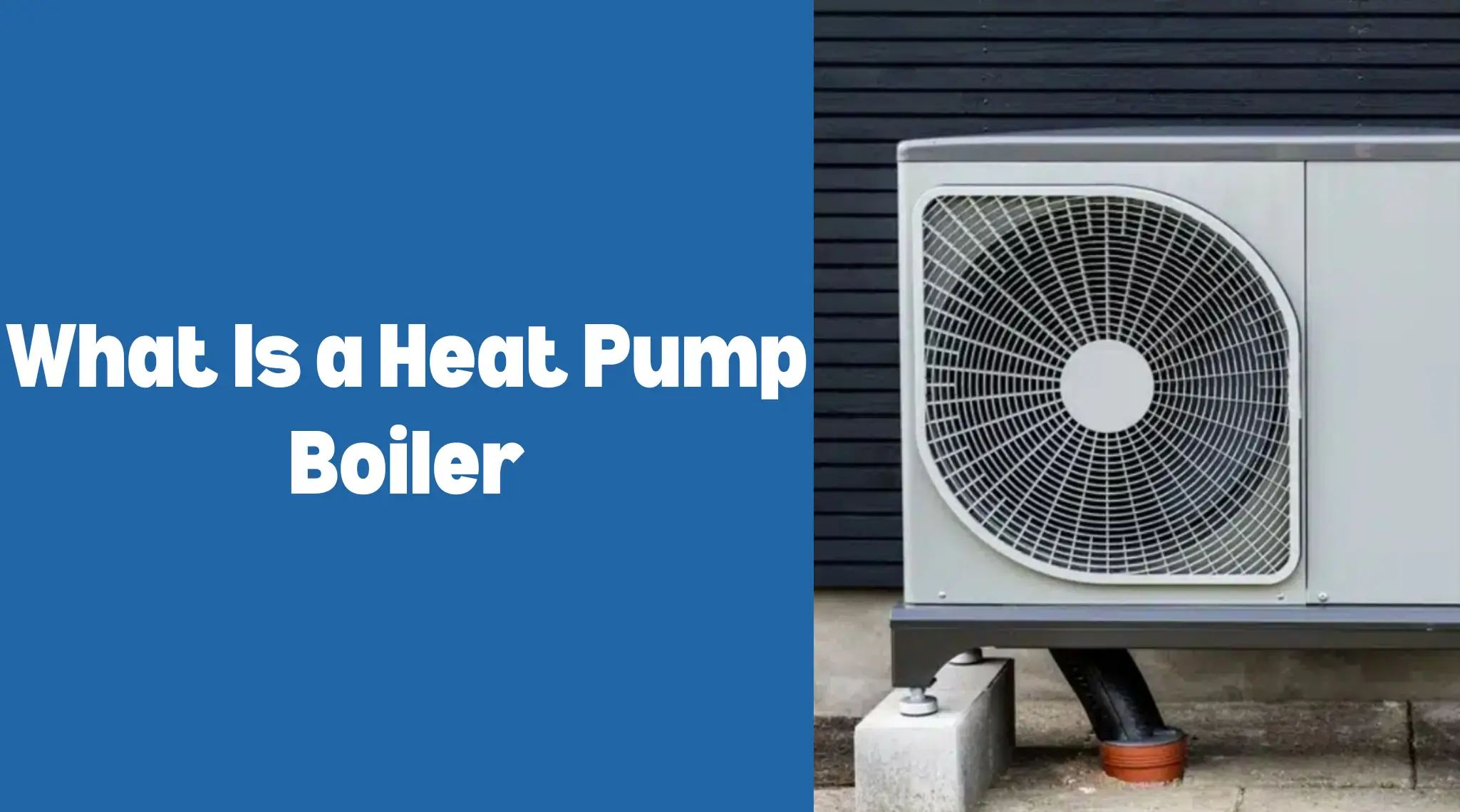
What Is a Heat Pump Boiler
A heat pump boiler is not a traditional boiler. It does not burn gas, oil, or LPG to create heat. Instead, it uses energy from the air or ground to heat your home. This system makes heat pumps more energy efficient and environmentally friendly. Many homeowners now choose heat pumps to reduce energy bills and carbon emissions.
Table of contents
How Heat Pumps Work
Heat pumps collect natural heat from outside your home. They use refrigerant gas to absorb this energy and increase its temperature.
Air Source Heat Pumps
Air source systems use a fan unit outside your home. This unit pulls heat from the air and transfers it inside.
Ground Source Heat Pumps
Ground source systems use pipes buried underground to collect heat from the ground and transfer it into your home, while both systems then compress this heat to increase its temperature and release it through your heating system for efficient indoor warmth.
Heat Pump vs Boiler
Heat pumps maintain a steady temperature throughout the day, which keeps your home warm without sudden energy spikes, while boilers heat water on demand and deliver quick heat but use more energy and increase running costs, and because heat pumps operate more efficiently over time, they offer better long term energy savings.
Heat Pump Installation
Air source heat pumps are easier and faster to install, as they require only one outdoor unit and one indoor unit, while ground source systems need underground pipe installation, which takes more time and space; however, homes with good insulation perform best with heat pumps, so if your home loses heat easily, you may need upgrades, and a professional installer can guide you.
Benefits of Heat Pump Systems
- Lower energy bills over time
- Reduced carbon emissions
- Consistent home temperature
- Long lifespan compared to boilers
Is a Heat Pump Right for Your Home
If you want lower energy costs and eco friendly heating, a heat pump is a strong option.
Conclusion
A heat pump boiler uses natural energy to heat your home, which improves efficiency and reduces environmental impact compared to traditional boilers, and with the right setup, it delivers reliable heating while helping you achieve long term energy savings throughout the year.
Frequently Asked Questions
Heat pumps capture heat from air, ground or water which is then passed through a heat exchanger. This is then absorbed by the refrigerant gas, raising the temperature, after which it is moved to a compressor, where pressure is applied to create a higher temperature.
You can have a boiler, or a heat pump, or both. As very different technologies, they deliver different benefits – like a boiler being able to deliver higher temperatures quicker, or a heat pump being able to run more steadily and efficiently. You don’t need a boiler to operate a heat pump.
Simply put, it means you should never set your thermostat for a temperature more than 20 degrees cooler than the outside air. Why not? Most air conditioning systems can only handle a 20-degree difference between the outside and inside air temperatures.
Heat pumps can be serviced every few years by a trained professional, as long as you are happy to do some simple, annual checks.
The pump pulls in air from outside, then uses it to heat a special refrigerant liquid. As it warms up, the liquid turns into gas. The warmth is compressed to increase its temperature – and provide lots of lovely heat for your home. Once the gas has transferred its heat, it cools down, becomes liquid again. Know more here about Air source heat pump