Is Your Home Suitable for a Heat Pump
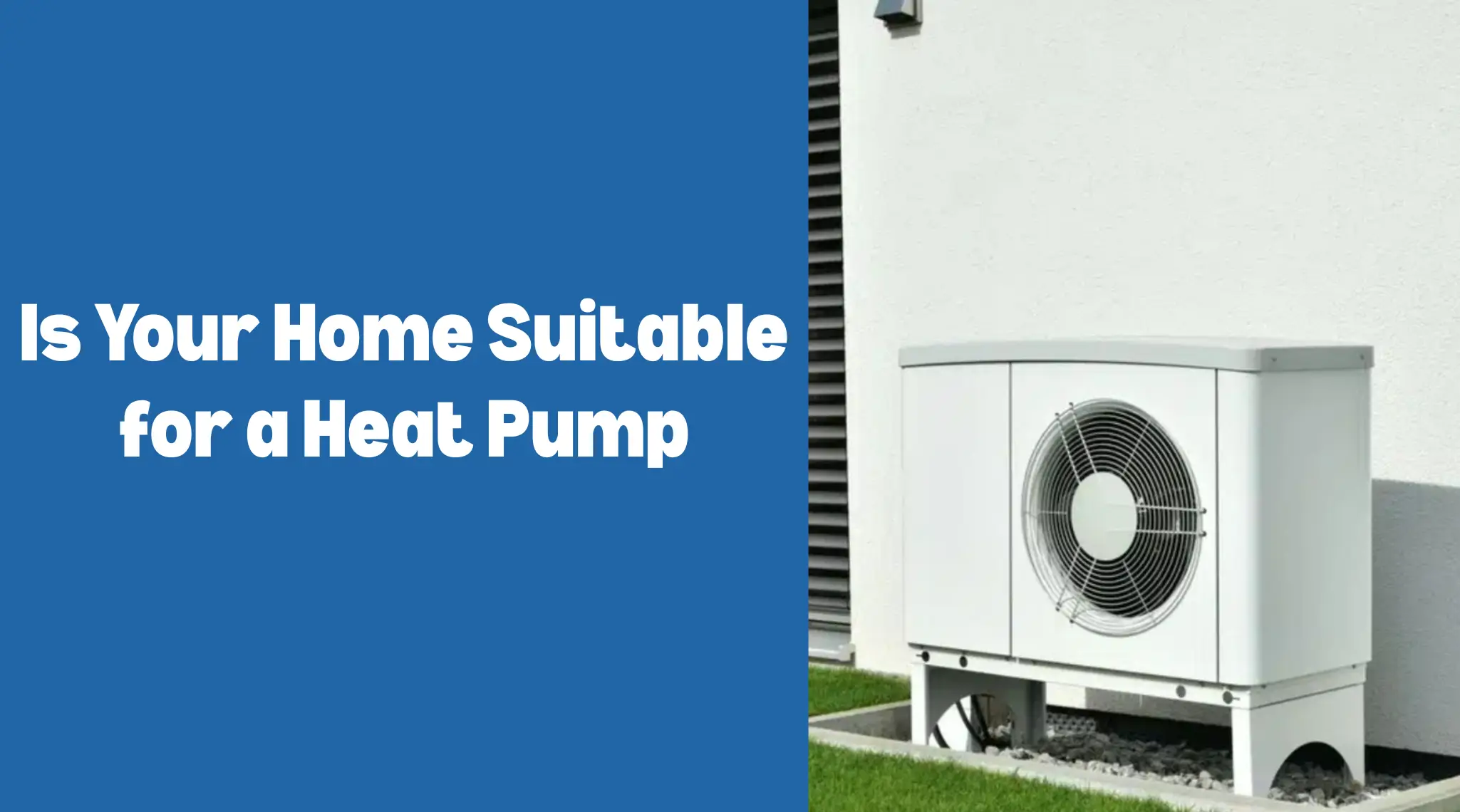
A heat pump works differently from a traditional boiler, as boilers burn fuel like gas or oil to heat water for radiators and taps, while a heat pump uses electricity to move heat from outside air or the ground into your home, making the system more energy efficient and environmentally friendly.
Table of contents
How Do Heat Pumps Work
Heat pumps move heat from one place to another instead of generating it, while air source heat pumps collect heat from the outside air and transfer it into your home using a refrigerant system, and ground source heat pumps use underground pipes to absorb heat from the ground and deliver it into your heating system, with both systems operating at lower water temperatures than boilers to provide steady and consistent heating.
Why Insulation Matters for Heat Pumps
Heat pumps work best in well insulated homes because good insulation keeps heat inside and reduces energy loss, while features like double glazing, wall insulation, and loft insulation improve overall performance, so if your home lacks proper insulation, you may need upgrades before installing a heat pump to prevent heat loss.
Is Your Home Suitable for a Heat Pump
Most homes can use a heat pump, but performance depends on insulation and heating setup, as homes with modern insulation and efficient systems work best, especially when paired with larger radiators or underfloor heating, while older homes can still use heat pumps but often need insulation upgrades, and a professional installer can assess the property and recommend the most suitable solution.
Choosing the Right Heat Pump
Choosing the right heat pump depends on your property size, insulation level, and heating needs, while air source heat pumps suit most homes and install easily, and ground source systems need more space but deliver stable performance, so a professional installer should assess your heating demand and guide you to the best system choice.
Benefits of Heat Pumps
Heat pumps offer several advantages:
- Lower energy bills over time
- Reduced carbon emissions
- Consistent indoor temperature
- Long lifespan compared to boilers
Conclusion
Heat pumps offer an efficient and eco friendly way to heat your home, and they perform best in well insulated properties with modern heating systems, while also helping reduce energy costs and deliver long term savings, making them a strong option when a professional assessment confirms your home is suitable.
Frequently Aasked Questions
The outdoor unit needs sufficient clearances from openings such as windows and doors. Your installer will advise the best position at your property. You will also need space inside your home for an indoor unit, hot water cylinder, and control that maximizes the heating and hot water comfort levels of your home.
Simply put, it means you should never set your thermostat for a temperature more than 20 degrees cooler than the outside air. Why not? Most air conditioning systems can only handle a 20-degree difference between the outside and inside air temperatures.
Heat pumps are considered an environmentally-friendly alternative to gas or oil boilers, as they don’t burn fossil fuels, and so release a lot less carbon dioxide. They are powered by electricity, which can be generated from renewable sources, such as solar panels. However, they can be expensive to install and run.
In general, the average life expectancy of a heat pump is 10 to 15 years, depending on a wide variety of factors. A ductless mini-split heat pump can last 10 to 30 years depending on the same variables.
Are heat pumps noisy ? Heat pumps are a more energy-efficient option compared to gas boilers as they use renewable energy and electricity to provide you with heating and hot water for your home. Heat pumps are not noisy but they do create some sound when operating to provide heating and hot water for your home.
R290 heat pumps offer a powerful combination of efficiency, sustainability, and high performance, making them one of the most advanced heating solutions available today.